
Blog
The most underestimated problem for cats in Italy—and how to solve it

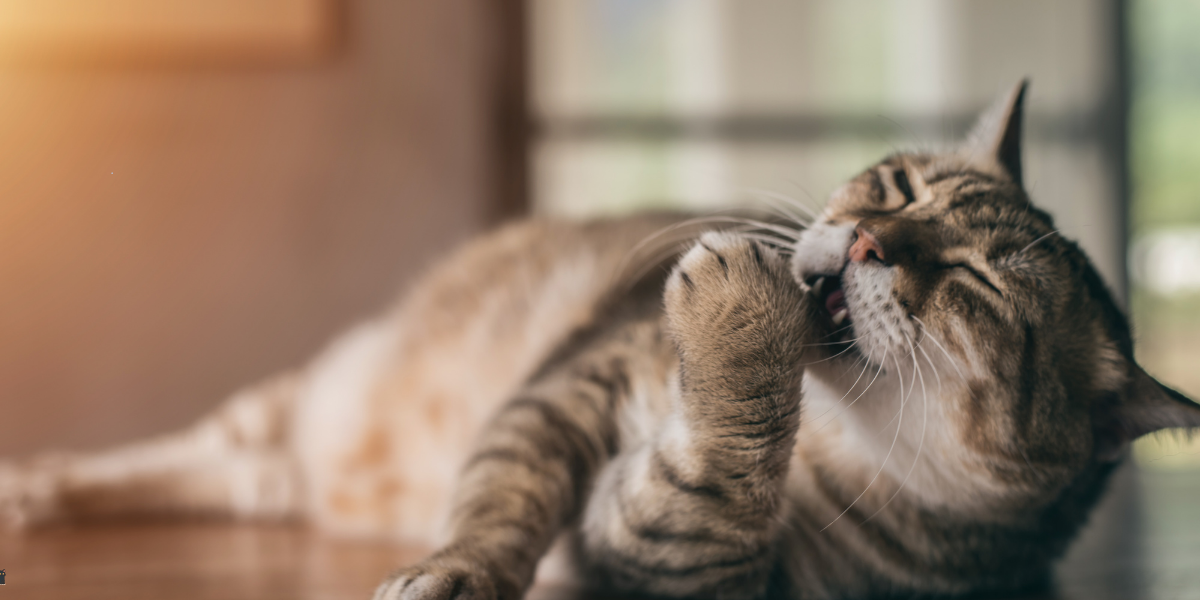
More than half of indoor cats in Italy suffer from this problem: being overweight
Why is feline obesity so widespread?
First of all, it’s because many people don’t realize their cat is overweight—but excess weight is often seen as an “aesthetic flaw” or even as a sign of well-being.
- Why obesity is dangerous
Obesity in cats isn’t just an aesthetic issue: it can have serious health consequences for your pet, even when they aren’t immediately visible. Multiple scientific studies confirm it.
The most alarming study was published in Frontiers in Veterinary Science because it states that obese cats show a significantly lower quality of life: they are less active, play less, and seem more stressed.
The problem is that many owners don’t recognize this discomfort, because they mistakenly associate it with simple feline “calmness.”
One of the largest studies on cat obesity was conducted by the University of California, Davis on more than 9,000 cats, and found that obesity is closely linked to urinary, orthopedic, and dermatological disorders, such as cystitis, stones, and difficulty grooming their own body—resulting in an increase in skin irritation.
In addition to these internal risks, obesity also causes joint problems. Excess weight puts strain on bones and joints, making it harder to jump, climb, or even just walk agilely. An obese cat moves less, yet movement is essential to keep them fit: it’s a vicious cycle.
Finally, be careful not to put obese cats on too strict a diet!
If an obese cat is suddenly put on an overly restrictive “diet,” its body—unaccustomed to it—mobilizes too much fat to the liver, which can’t process it.
This can lead to hepatic lipidosis, a potentially fatal condition for cats.
2) How to tell if your cat is overweight or obese?
Often you don’t even need a scale to figure it out. Here’s a simple test you can do at home:
2.1) Check the ribs: Run your hands along your cat’s sides. You should be able to feel the ribs easily without pressing too hard.
If you only feel a thick, soft layer, they’re probably overweight.
2.2) Look at the silhouette from above: A fit cat has a visible waist behind the ribs.
If they’re round or have a “barrel” shape, there’s a problem.
2.3) Observe behavior: Does your cat get tired easily? Jump less? Sleep all the time? These can be indirect signs of excess weight.
What can you do if your cat is overweight?
If you’ve realized your cat has a few extra pounds, the good news is you can help them get back in shape without stress or deprivation.
There are factors you can’t do anything about, like neutering, certain breeds that tend to gain weight more easily, and genetic factors.
But you can act on two things:
- A sedentary lifestyle:
Movement is essential, but you don’t need complicated solutions: even just 5–10 minutes a day of interactive play can make a difference. A wand toy, a little mouse, or a ball is enough.
- Diet:
In theory, cats can self-regulate their intake—but if your cat is constantly looking for food, why can’t they regulate the way nature taught them?
The answer, as reported by a study from the University of Bristol, lies in kibble.
Many kibbles, both to keep prices down and to prevent the kibble from crumbling apart, include legumes and grains.
But cats are obligate carnivores, and legumes and grains do nothing but add calories without real nourishment.
Cats get energy from animal proteins and fats, not carbohydrates. So excess carbohydrates provide only calories without delivering macronutrients.
Felinus solves this problem at the root: in its recipes there are no legumes and no grains, but almost exclusively meat.
The result: your cat feels full sooner, so they get more nutrients with less food—therefore fewer calories.
In fact, since it’s dried meat that loses water and therefore weight, in 1.2 kg of dried meat there are as much as 3 kg of fresh meat.
The result? A more natural diet, fewer empty calories, and a cat that gets back to their ideal weight, with more muscle tone and vitality. It’s not just about looks: maintaining an ideal weight reduces the risk of diabetes, joint problems, and metabolic disorders.
With Felinus, fewer fillers = fewer pounds = more health.