More and more studies show how nutrition has direct consequences on cats’ health.
One of the most impressive was conducted by the University of Cambridge:
The University of Cambridge found that diets rich in grains and legumes (typical of kibble) significantly change cats’ gut bacterial flora after just 5 weeks (you can find the full study here).
But what does an altered gut microbiota lead to?
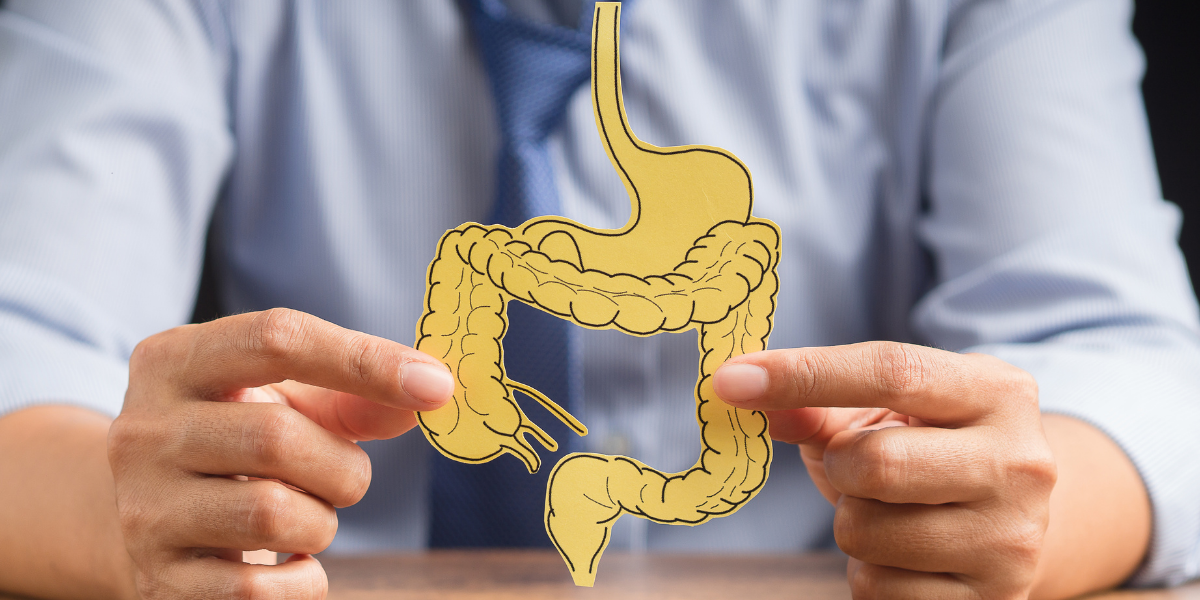
The gut microbiota is an invisible but vital organ, made up of billions of microorganisms that work together with a cat’s body to keep it healthy.
When this balance breaks, the consequences can be far more serious than a simple stomachache.
In fact, according to a study published in the World Journal of Gastroenterology, an altered microbiota is associated with:
- Inflammatory bowel diseases;
- Metabolic disorders such as obesity and diabetes;
- Autoimmune disorders;
- Premature tissue aging;
- Reduced immune defenses.
In practice, an “out-of-balance” gut can become the starting point for chronic and degenerative conditions.
But if legumes are so bad, why do companies put them in kibble?
There are mainly two reasons:
1. To make the label look “better”
Legumes contain plant proteins that raise the crude protein value on the label, creating the impression of a rich, nutritious food.
What’s more, legumes don’t raise the crude ash value, a parameter often used to assess the quality of the meat included.
The result? The label looks balanced and “clean”, but in reality it hides a lack of real meat.
A product that looks nutritious… but doesn’t truly nourish.
This also explains why so many cats seem always hungry: they’re getting protein, yes—but not the right kind.
2. Because legumes are cheap
“What a scandal—the price of your air-dried food!” we’re often told.
In the minds of many consumers, cat food “shouldn’t” go above a certain amount. As soon as the price of a product rises even by a few cents, sales drop.
So to stay competitive, companies cut costs by adding legumes and grains, which fill the bowl… but don’t truly nourish.
With Felinus, on the other hand, which contains no fillers, cats feel full sooner.
In fact, we chose to take a different path. We’ll never make the millions of multinationals, but Felinus was born from a sincere question of mine:
Why should we give our cats—who are strict carnivores—so many legumes and grains?